
Tech Tips for Busy Farmers: 7 Simple Tools to Streamline Operations
Farmers in rural Alberta, including Lac Ste. Anne County, know that running a farm is no small task. Between livestock checks, crop management, and all the unexpected surprises, technology can be a powerful ally. Even with a beginner-to-intermediate comfort level with tech, a few simple tools can save time, reduce stress, and boost productivity.
Here are 7 practical, farmer-friendly tech tips — including both hardware and software — that can make your farm run smoother. Let’s dive in!
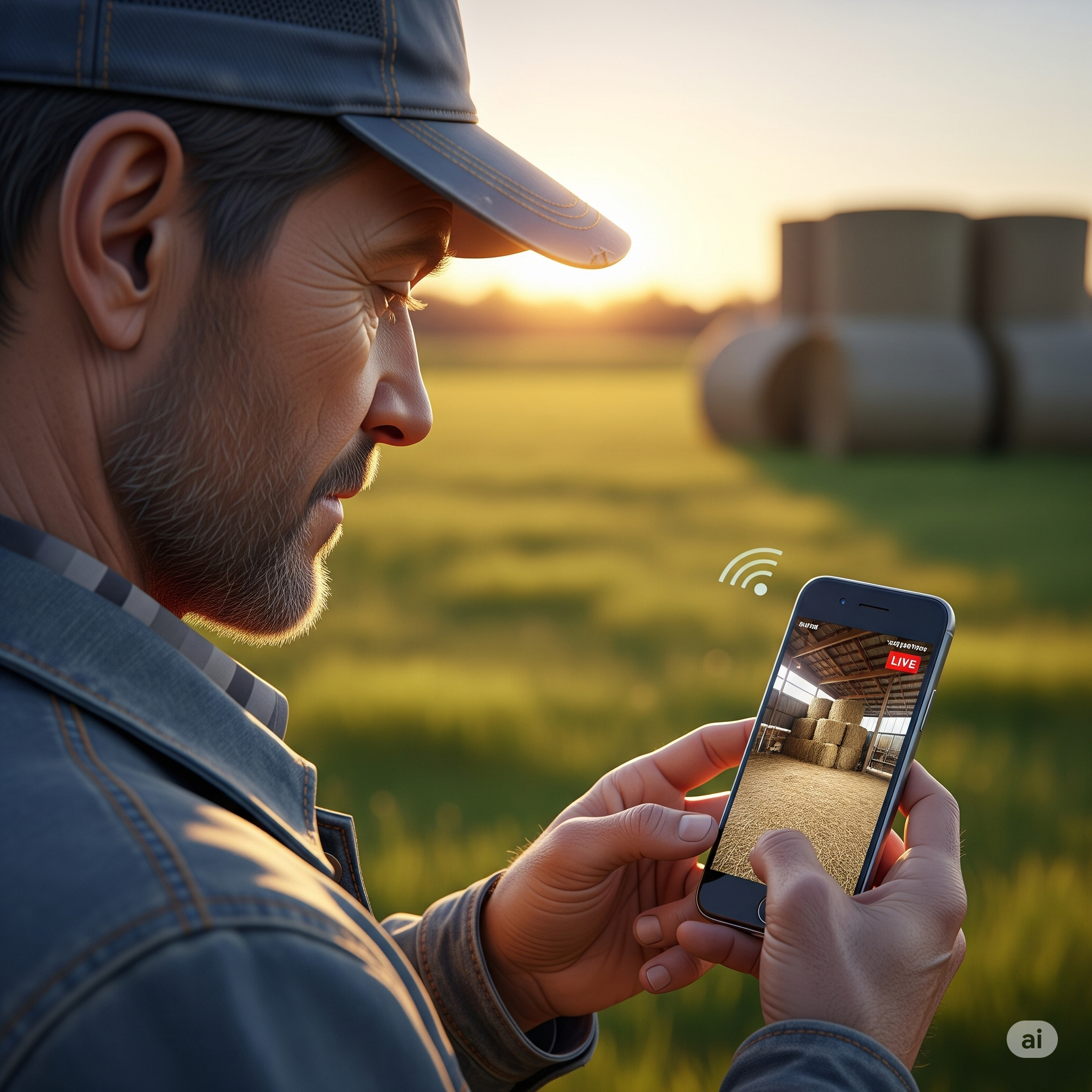
1. Farm Security Cameras for Remote Monitoring (CCTV)
Modern farm operations face growing challenges: protecting equipment from theft, monitoring livestock, and managing multiple areas across large properties. Farm security cameras — also known as CCTV (Closed-Circuit Television) systems — are no longer just for urban businesses. They’ve become an essential tool for rural farmers who want to keep a watchful eye on their operation, day or night.
What It Is
A farm CCTV system typically consists of weatherproof IP cameras that can be placed around key areas: barns, calving or foaling pens, equipment sheds, fuel tanks, and property entrances. These cameras connect to a network video recorder (NVR) or cloud storage solution, allowing you to record footage and access it live or on-demand from your smartphone, tablet, or computer.
Why It Matters to Farmers
Imagine this: It’s 2 a.m. during calving season, and instead of trudging to the barn in the cold to check on a cow, you simply open your phone and see her live. Or, after a storm, you check your equipment yard for wind damage without leaving the house. CCTV systems give farmers peace of mind, reduce stress, and enhance animal welfare by allowing quick intervention if a cow is struggling during calving.
Security is another critical concern. With the rise in rural theft — from fuel and equipment to livestock — cameras act as both a deterrent and a record-keeper. If anything does happen, you’ll have video evidence to share with authorities. Some systems even allow motion detection alerts, so you get a notification if someone is snooping around at night.
How It Improves Daily Operations
- Reduces unnecessary barn trips — freeing up time for other tasks or family life.
- Quick checks — with live video feeds on your smartphone, you can see what’s happening anywhere on the farm.
- Instant alerts — motion detection or line-crossing alerts let you know immediately if there’s activity in a monitored area.
- Evidence for disputes — footage can prove or disprove claims (e.g., who left the gate open).
- Animal welfare — catch issues like a cow stuck in a fence or foaling complications early.
Rough Cost or Complexity
- DIY Kits: Entry-level systems with 2-4 cameras range from $400–$800, with easy setup instructions. These typically include an NVR and smartphone app.
- Professional Install: A fully integrated system with 6–8 cameras, night vision, and cloud storage can run $1,500–$3,000 depending on farm size and layout. This may include structured cabling for stable connections.
- Complexity: Moderate. DIY systems are fairly plug-and-play, but for farms with multiple barns or needing weatherproof outdoor cameras, a professional install ensures reliability and longevity.
How Cadenza Can Help
At Cadenza, we understand that farms have unique needs. We design and install custom CCTV systems that cover livestock areas, equipment yards, and driveways, ensuring no blind spots. We handle:
- Structured cabling between buildings or integrate with your existing network.
- Remote viewing setup — so you can check on your farm from anywhere.
- Training on using the system — making sure even beginners feel confident.
- Integration with other systems — linking cameras with alarms or door sensors for even more peace of mind.
Whether you’re a busy livestock operator or a crop farmer with expensive machinery, our CCTV solutions help protect your investment and improve your daily workflow.
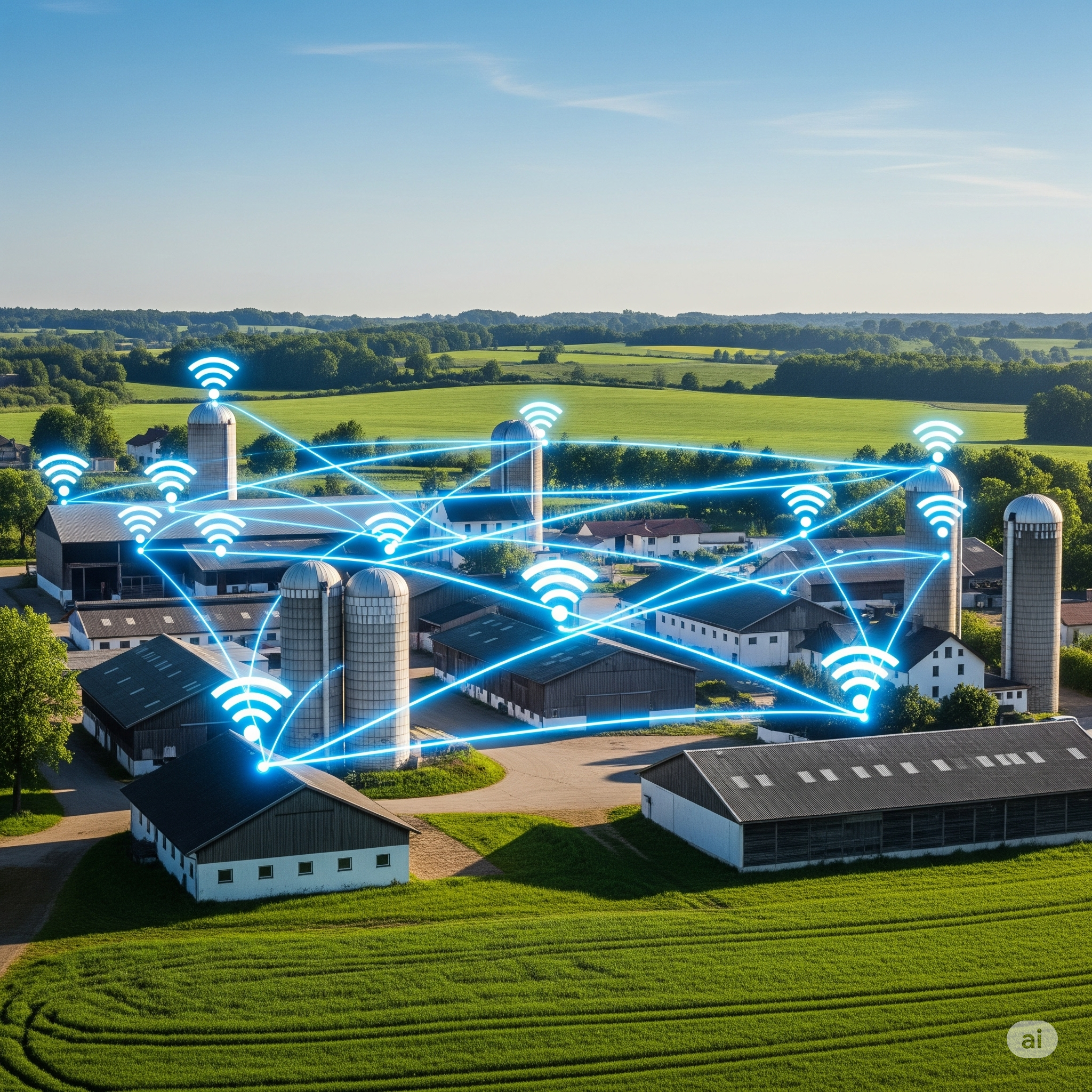
2. Reliable Farm Wi-Fi & Networking Everywhere
In today’s agriculture, connectivity is as crucial as a good tractor. Whether it’s checking weather updates in the field, connecting your CCTV cameras, or uploading records to a farm management app, reliable farm-wide Wi-Fi keeps your operation running smoothly. Without it, you’re stuck running back and forth to the house, wasting time and missing opportunities to work smarter.
What It Is
A reliable farm Wi-Fi network uses a combination of mesh Wi-Fi systems, point-to-point wireless bridges, and structured cabling to deliver strong internet coverage across your entire property. Mesh Wi-Fi nodes expand your existing network from the house to nearby barns or shops. For longer distances—like connecting the farmhouse to a remote calving barn—a point-to-point link with directional antennas can beam internet several kilometers away with minimal loss in speed. Structured cabling provides a rock-solid backbone where you need maximum reliability, like in offices or control rooms.
Why It Matters to Farmers
Imagine being able to check your farm’s camera feeds, adjust irrigation schedules, or update livestock records—right from your barn or even the field. With reliable Wi-Fi:
- You can monitor livestock cameras on your phone without signal dropouts.
- Equipment like smart irrigation systems, GPS trackers, and sensors can communicate in real-time, providing you with accurate data to make decisions.
- Your team can collaborate faster, sharing records or video calls between buildings instead of relying on patchy cell service or handwritten notes.
Connectivity means more than convenience; it’s about turning downtime into productive time and connecting every corner of your farm operation. For rural farmers, especially in Lac Ste. Anne County, strong connectivity helps bridge the technology gap that often separates small operations from big agribusinesses.
How It Improves Daily Operations
- Eliminates dead zones: Work from any building or part of the yard with confidence—no more “Wi-Fi roulette.”
- Enables real-time data: Connect your cameras, sensors, and management apps seamlessly, improving decision-making.
- Facilitates remote work: Handle email, orders, or calls right from the barn office or your tractor cab with a tablet or laptop.
- Supports modern tools: Use precision agriculture apps, cloud-based livestock records, or real-time irrigation data—tools that require reliable connectivity to function.
Rough Cost or Complexity
- Mesh Wi-Fi: Basic systems start around $200–$400 per kit and can cover a small cluster of buildings. Easy DIY installation for tech-savvy farmers.
- Point-to-Point Wireless: Kits for long-range (hundreds of meters to several kilometers) start at around $400–$800 plus installation. Antenna placement and line-of-sight are key; professional installation is recommended for best results.
- Structured Cabling: Costs vary depending on trenching or building layout but generally range from $500 and up, depending on distance and materials. Ideal for permanent high-speed connections in offices or critical areas like CCTV NVRs.
How Cadenza Can Help
At Cadenza, we know that every farm is unique. Our team can design a connectivity solution that fits your layout and needs. We:
- Survey your property to identify dead zones and plan coverage areas.
- Install and configure mesh Wi-Fi, point-to-point wireless, and structured cabling so every building stays connected.
- Secure your network with firewalls and proper encryption so your data stays safe.
- Provide training and support—so you feel confident using your network for farm management apps, cameras, and more.
Whether you’re looking to expand connectivity to a distant calving barn or simply want a stronger Wi-Fi signal in the shop, we’re here to help you stay connected, productive, and competitive—no matter where your farm takes you.
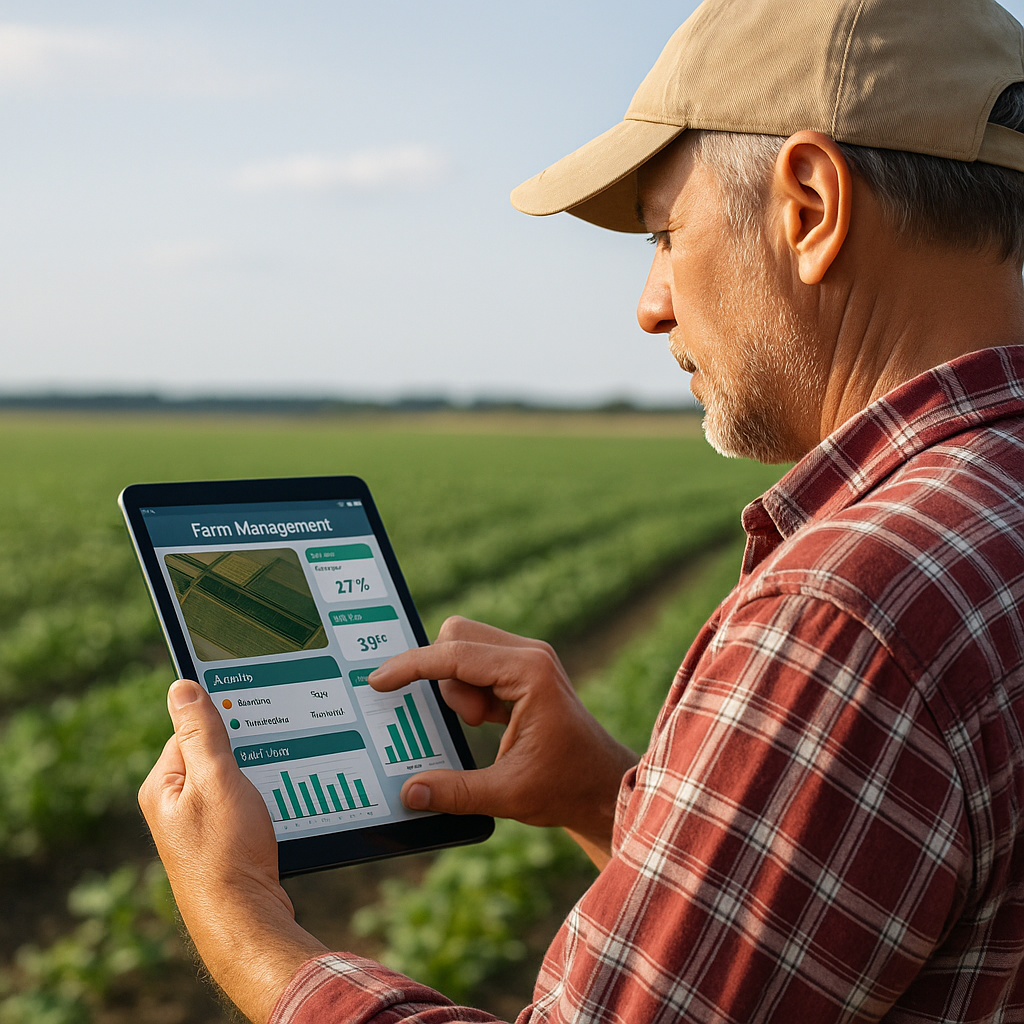
3. Farm Management Apps for Easy Recordkeeping
Running a successful farm means juggling a ton of information: livestock records, equipment maintenance, crop yields, financial reports—the list goes on. Traditionally, farmers relied on paper notebooks, sticky notes, or even memory to keep track of everything. But in today’s digital world, there’s a better way: farm management apps that put all your data at your fingertips, making it easier to stay organized and make informed decisions.
What It Is
Farm management apps are mobile or web-based software tools designed specifically for agricultural operations. They allow you to record and access data on livestock health, crop schedules, machinery maintenance, expenses, and more—often all from a smartphone or tablet. These apps sync your data across devices and can integrate with other farm tech, such as sensors, cameras, and weather data. Some popular features include task scheduling, equipment logs, inventory management, and financial tracking, giving you a digital farm notebook that’s always available.
Why It Matters to Farmers
Imagine knowing exactly which cows were vaccinated last week, when your combine was last serviced, or which field yielded the best last year—without flipping through pages of handwritten notes. Farm management apps:
- Provide a single place to store and access critical farm information.
- Help farmers make data-driven decisions that can increase efficiency and profitability.
- Allow you to share information with your team or family members instantly, improving collaboration and communication.
- Offer insights that help plan better rotations, feeding schedules, or maintenance plans, reducing surprises and costly mistakes.
For beginner and intermediate tech users, many apps have simple interfaces with intuitive menus, so you don’t need to be a computer whiz to get started.
How It Improves Daily Operations
- Faster recordkeeping: Enter data on the fly while in the barn or field—no more paperwork piles at the end of the day.
- Accurate logs: Keep precise health records, yields, and maintenance logs, reducing guesswork and improving compliance with regulations.
- Reminders and alerts: Get notifications for vaccinations, equipment servicing, or crop treatments, ensuring nothing falls through the cracks.
- Better decision-making: Use historical data to plan rotations, predict yields, and manage resources more effectively.
Rough Cost or Complexity
- Free or Low-Cost Apps: Many apps start free or at low monthly rates ($10–$30/month) and often include essential features like recordkeeping and task management.
- Advanced Features: Some apps offer premium add-ons—like integrations with drones or sensors, financial modules, or custom reports—that can raise the cost but provide more value for larger operations.
- Complexity: Generally low. Most apps are designed for farmers with beginner-to-intermediate tech skills, and many offer tutorials or support if you need help getting started.
How Cadenza Can Help
At Cadenza, we understand that technology can be overwhelming at first. We help farmers:
- Choose the right app based on your farm’s needs and size.
- Install and set up apps on your devices, ensuring smooth syncing and backups.
- Provide training so you and your team can use the apps effectively and confidently.
- Integrate apps with your existing network and devices—so everything works seamlessly together.
Whether you’re a livestock farmer, a crop grower, or both, farm management apps can help you work smarter, not harder. Let Cadenza help you bring your farm data into the digital age so you can focus on growing your business instead of drowning in paperwork.
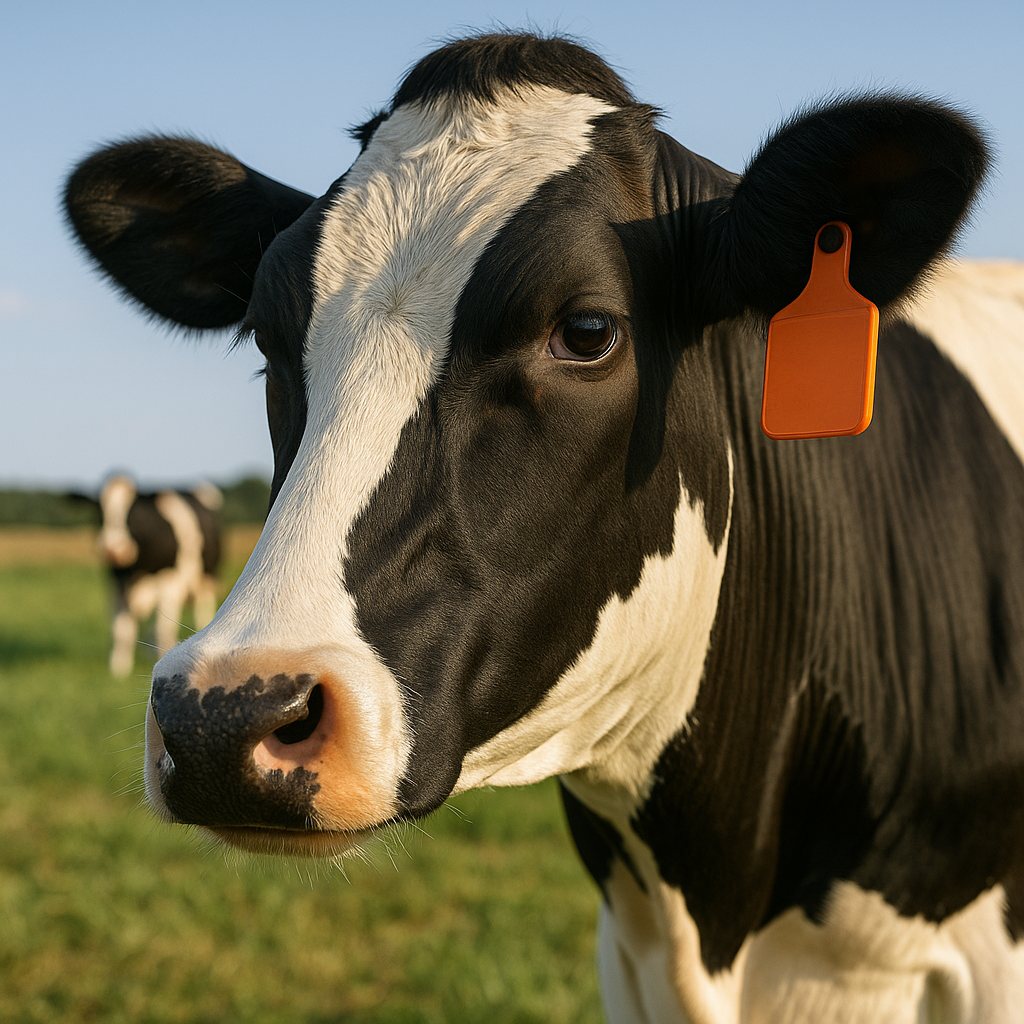
4. Smart Livestock Monitoring Gadgets (Tags & Sensors)
Managing a herd can be one of the most time-consuming parts of running a farm—especially during calving, lambing, or foaling seasons. Between health checks, feeding, and tracking animals, it’s easy to feel stretched thin. That’s where smart livestock monitoring devices—like wearable tags and sensors—come in. They act like a digital ranch-hand, giving your animals a “voice” and giving you real-time insights into their health and movements.
What It Is
Smart livestock monitoring gadgets include:
- Ear tags or collars equipped with GPS and activity sensors that track an animal’s location and movement patterns.
- Calving sensors that attach to a cow’s tail or collar, detecting signs of labor and sending alerts to your phone or computer.
- Environmental sensors that monitor barn temperature, humidity, or ventilation, helping prevent health issues like respiratory problems or heat stress.
These devices connect wirelessly to your farm’s network or through cellular networks, sending real-time updates to your smartphone, tablet, or computer.
Why It Matters to Farmers
Imagine getting an alert at 2 a.m. that a cow is about to calve—so you can help if needed and save both the calf and the cow from complications. Or spotting an animal that’s unusually inactive, potentially signaling sickness before it worsens. Smart livestock monitoring:
- Helps you catch issues early, reducing animal health risks and costly treatments.
- Improves efficiency by letting you focus your time where it’s needed most, instead of constant manual checks.
- Enhances security by letting you track valuable animals in real-time, even on large pastures.
How It Improves Daily Operations
- Real-time alerts: Know immediately if an animal is in distress, off-feed, or away from the herd, so you can act fast.
- Better breeding management: Get accurate heat detection data and calving alerts to improve reproduction rates and reduce labor costs.
- More efficient monitoring: Check on animal health from your phone, even when you’re busy in the field or away from the farm.
- Detailed records: Maintain health logs, treatment history, and movement data automatically, reducing paperwork and simplifying audits.
Rough Cost or Complexity
- Entry-Level Sensors: Basic calving sensors start around a few hundred dollars per animal, plus a monthly fee for cellular connectivity and data.
- Advanced Systems: GPS ear tags or full herd management systems with activity monitoring can range from $50–$100 per animal plus a subscription. More advanced systems may include software integrations and dashboards.
- Complexity: Varies by system. Some devices are easy to clip on and connect to an app; others may need a farm network (Wi-Fi or cellular) or additional receivers. Many providers offer installation and support.
How Cadenza Can Help
At Cadenza, we don’t sell livestock tags ourselves, but we make sure your farm’s tech backbone supports them. We:
- Ensure your farm’s Wi-Fi or network is strong enough for real-time data streaming and alerts.
- Install network receivers or configure wireless links to support devices in barns, pastures, and remote areas.
- Secure your devices with proper encryption and network protection to keep your data safe.
- Provide training and support to help you get the most out of your investment, whether it’s setting up alerts or troubleshooting app connections.
With Cadenza’s help, you can turn these high-tech tools into everyday farm helpers, giving you more time to focus on what matters most: caring for your animals and running your business efficiently.
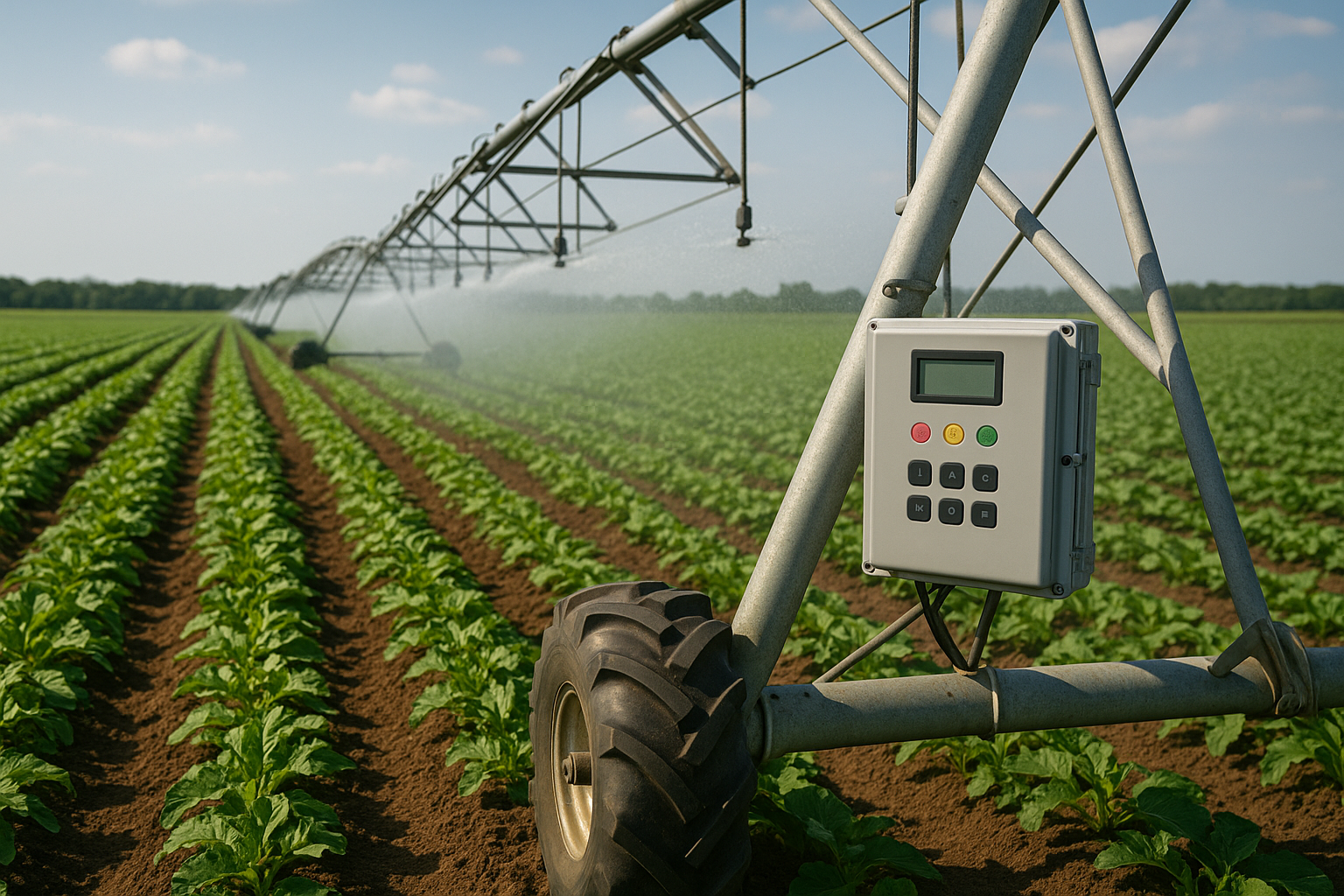
5. Smart Irrigation Controllers for Efficient Watering
Water is one of the most valuable—and often costly—resources on any farm. Getting the right amount of water to the right areas can make the difference between healthy crops or pastures and disappointing yields. That’s where smart irrigation controllers come in. These high-tech solutions automate watering, improve efficiency, and help you save both time and money, even in areas with water restrictions or variable rainfall.
What It Is
Smart irrigation systems consist of controllers that connect to your sprinklers, drip lines, or pivots. These systems use inputs like soil moisture sensors, weather forecasts, and timer-based programming to adjust watering schedules automatically. Some setups include wireless soil probes that measure moisture levels in real time, sending data to your smartphone or computer so the system can water only when needed. Even smaller garden-scale or pasture systems now come with Wi-Fi-enabled controllers you can manage remotely.
Why It Matters to Farmers
Imagine never having to worry about whether you remembered to turn off the water or if you’re overwatering a field. Smart irrigation:
- Helps you conserve water—crucial in areas with drought risks or water usage limits.
- Ensures crops and pastures get the right amount of water at the right time, promoting healthier growth and yields.
- Reduces labor by automating what was once a daily manual chore—no more running around to open or close valves or sprinklers.
- Improves soil health by preventing overwatering that can lead to runoff or erosion.
How It Improves Daily Operations
- Automated scheduling: Set and forget—program watering times that adjust automatically based on soil moisture or weather forecasts.
- Remote monitoring: Check and control irrigation from your smartphone, even when you’re away from the farm.
- Data-driven decisions: Use real-time data to understand how much water each field or pasture needs, avoiding waste.
- Healthier plants and soil: Prevent waterlogging or dry spots by watering exactly when needed, leading to better root health and less disease.
Rough Cost or Complexity
- Small-Scale Systems: Smart sprinkler controllers for gardens or small pastures start at around $200–$300 and are often easy to install yourself.
- Larger Farm Systems: Pivot or drip system controllers with integrated sensors and weather data integration can cost several thousand dollars, but they often pay for themselves in water savings and yield improvements.
- Complexity: Moderate. Basic systems are plug-and-play; larger systems may require professional installation or assistance in integrating them with existing infrastructure.
How Cadenza Can Help
While we’re not irrigation contractors, Cadenza can make sure your farm’s tech is ready to support smart irrigation solutions. We:
- Ensure your Wi-Fi or network extends to remote fields or greenhouses where controllers and sensors are installed.
- Install structured cabling or wireless links if needed to connect irrigation systems to your main farm network or office.
- Set up secure network connections so you can control irrigation remotely without worrying about hackers or dropped connections.
- Provide training and troubleshooting support so you can confidently operate your smart irrigation system and maximize its benefits.
With Cadenza’s support, you can integrate smart irrigation seamlessly into your operation, reducing water waste, saving time, and boosting your farm’s bottom line.
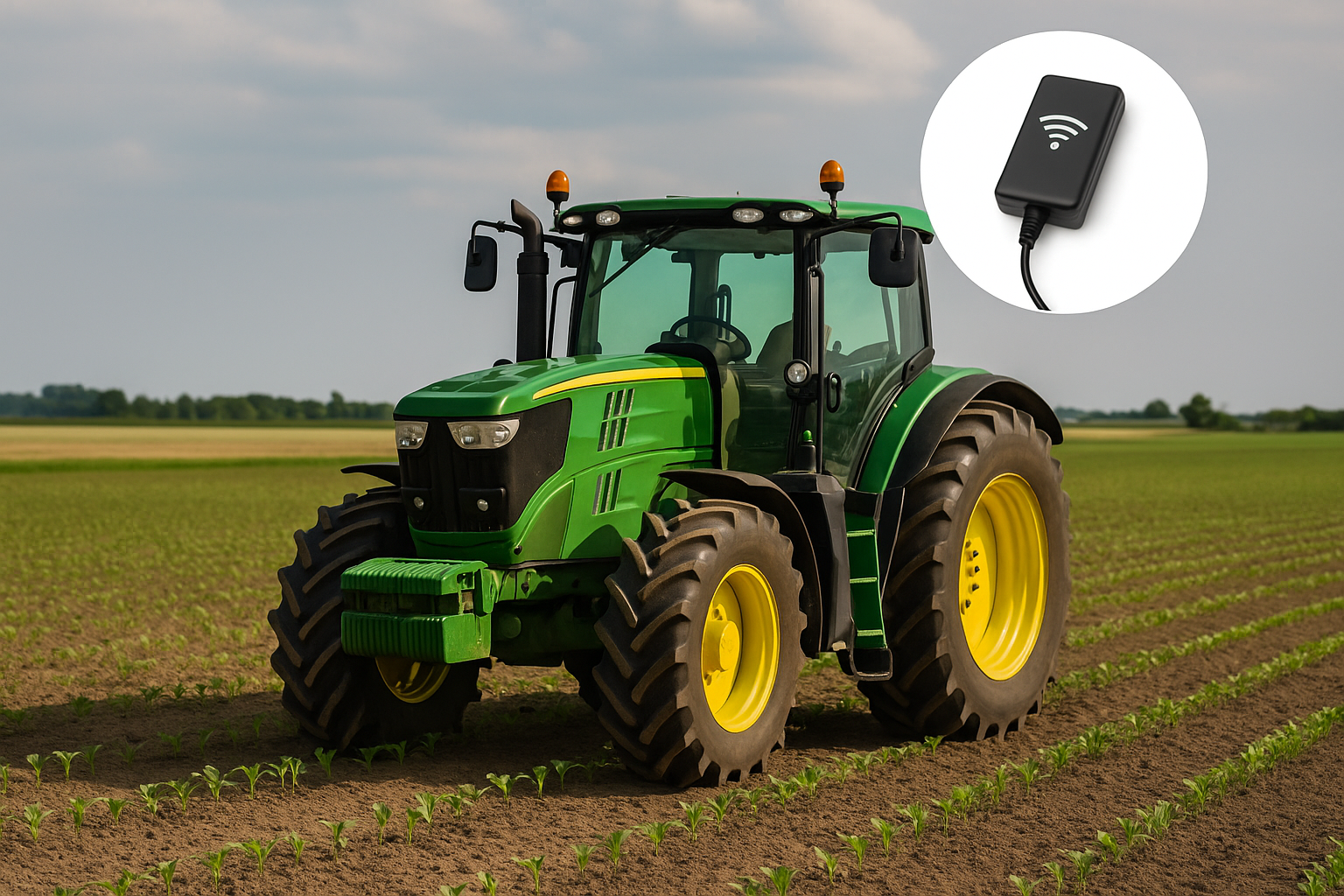
6. Equipment GPS Trackers & Maintenance Alerts
Farm equipment is one of your most valuable assets. Whether it’s a tractor, combine, ATV, or trailer, protecting and maintaining that equipment is essential for keeping your operation running smoothly. That’s where GPS trackers and maintenance alert systems come into play. These small but powerful devices keep you connected to your equipment—wherever it is—and help you avoid costly breakdowns and downtime.
What It Is
GPS trackers are small devices that attach to your equipment, sending real-time location data to your smartphone or computer. Some trackers also offer motion alerts and geofencing, notifying you if a piece of equipment moves unexpectedly or leaves a designated area. Maintenance alert systems can be as simple as an app that tracks service intervals or as advanced as sensors integrated into your equipment that monitor hours of operation, fluid levels, or error codes. Together, these tools help you keep tabs on where your equipment is and when it needs servicing.
Why It Matters to Farmers
Imagine you’re working on one field and need the sprayer that was used yesterday—but you’re not sure if it’s still at the last field or parked back at the yard. With a GPS tracker, you can instantly see where it is—no more guesswork. Even more importantly, in the event of theft (which sadly does happen in rural areas), GPS trackers can help you recover stolen equipment quickly and provide crucial evidence to authorities. Maintenance alerts:
- Keep your equipment in top shape, reducing the risk of breakdowns during busy times like seeding or harvest.
- Help you schedule service proactively instead of reactively, avoiding costly downtime and expensive repairs.
- Extend the life of your equipment, protecting your investment long-term.
How It Improves Daily Operations
- Real-time tracking: See where all your equipment is at a glance, improving coordination and reducing time wasted searching for machines.
- Theft prevention: Get alerts if equipment moves at odd hours or leaves a designated area.
- Maintenance reminders: Receive automatic notifications when service is due, helping you stay on top of oil changes, filters, and other critical tasks.
- Improved efficiency: Know which equipment is in use and which is available, so you can assign tasks more effectively and avoid bottlenecks.
Rough Cost or Complexity
- Basic GPS Trackers: Devices start under $100, with a small monthly service fee for cellular connectivity (usually $5–$15/month).
- Advanced Systems: Heavy-duty telematics or OEM-integrated systems with diagnostics may cost more, especially if they tie into your equipment’s computer system. Costs vary widely depending on features and manufacturer.
- Complexity: Low to moderate. Most basic trackers are plug-and-play; advanced systems may require installation or dealer support, but many farmers find the investment pays for itself in reduced downtime and theft prevention.
How Cadenza Can Help
At Cadenza, we help farmers get the most out of their technology investments by ensuring everything works together seamlessly. We:
- Assist with tracker setup and ensure your devices communicate with your smartphone or computer properly.
- Configure alerts and notifications so you only get the information you need—no more unnecessary pings at all hours.
- Optimize your farm network to support GPS data transfers and secure connections, even in rural areas with limited cell service.
- Provide support and training so you feel confident using your equipment tracking and maintenance systems every day.
With Cadenza’s support, you’ll have the confidence of knowing where your equipment is and when it needs attention—keeping your farm running efficiently and protecting your bottom line.
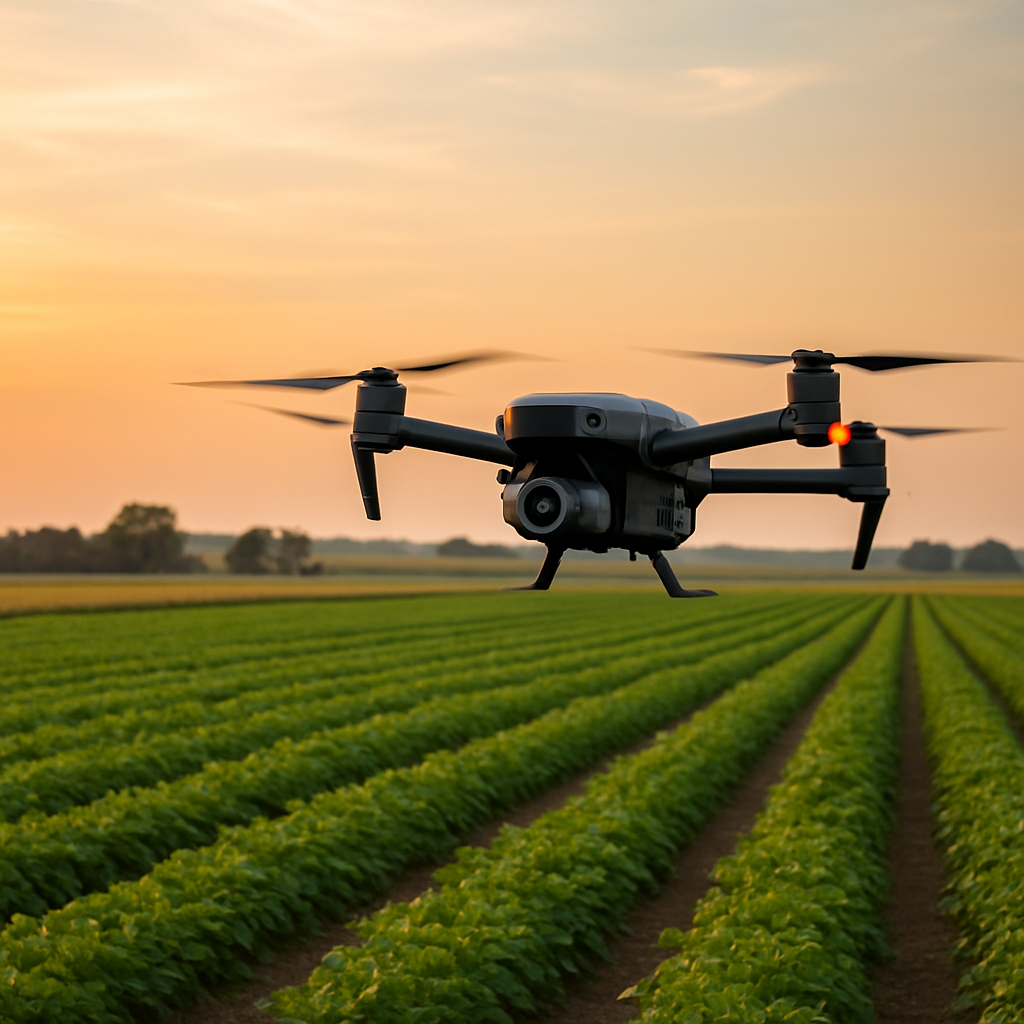
7. Drones for Quick Crop Scouting and Livestock Checks
Sometimes, the best way to understand what’s happening on your farm is to get a bird’s-eye view. Enter the world of agricultural drones. These small but powerful flying machines are transforming how farmers scout crops, check fences, and keep tabs on livestock. With a drone in your toolbox, you can cover hundreds of acres in minutes, saving valuable time and gaining insights that would otherwise be missed from the ground.
What It Is
Agricultural drones are unmanned aerial vehicles (UAVs) equipped with cameras—ranging from basic high-definition video to advanced multispectral sensors. They’re controlled via a smartphone, tablet, or dedicated controller. With features like GPS autopilot, live video feeds, and automated flight paths, even beginner drone pilots can quickly learn to navigate and collect useful data for their farm operations.
Why It Matters to Farmers
Imagine being able to:
- Identify pest damage or irrigation issues in a crop field long before they spread.
- Check fence lines for breaks without driving miles across rough terrain.
- Quickly locate missing livestock in a large pasture.
Drones can cover large areas in a fraction of the time it takes to scout by foot or ATV. For example, one drone flight might cover 500 acres in a single day—a job that could take days on the ground. This means:
- Faster problem detection: Spot pests, weeds, or drought stress early so you can take action before yields are affected.
- Reduced labor costs: Spend less time scouting manually, freeing up your team for other tasks.
- Improved safety: Check hard-to-reach areas without putting yourself at risk of injury.
How It Improves Daily Operations
- Efficient crop scouting: Quickly assess crop health, stand counts, or disease issues with high-resolution images or videos.
- Livestock monitoring: Fly over pastures to locate animals, monitor their condition, and ensure they’re where they’re supposed to be.
- Infrastructure checks: Inspect the tops of bins, roofs, or irrigation systems without ladders or climbing equipment.
- Data collection: Store photos and videos to compare year-over-year, helping you track improvements or identify recurring issues.
Rough Cost or Complexity
- Basic Drones: Entry-level drones with good cameras start at $500–$1,500. They’re user-friendly, with GPS stability and one-touch takeoff and landing features.
- Advanced Drones: Models with multispectral or thermal cameras can run several thousand dollars and may require additional software for data analysis.
- Complexity: Moderate. Most drones are easy to fly with a little practice, but Canadian regulations require a basic drone pilot certificate for drones over 250 grams. Learning the flight rules and practicing safe operation is essential, but the learning curve is very achievable.
How Cadenza Can Help
While we don’t sell drones directly, Cadenza helps farmers integrate drone technology into their operations by ensuring their tech ecosystem is ready. We:
- Expand Wi-Fi coverage so you can download drone footage and data in the field or yard without interruptions.
- Set up secure data storage so you don’t lose important aerial images and videos, and they’re easy to access later.
- Provide guidance on integrating drone software with other farm management apps or systems.
- Help with cybersecurity to keep your drone and data protected from hackers or unauthorized access.
With Cadenza’s support, you’ll be able to make the most of drone technology—saving time, improving yields, and managing your farm more effectively from above.
Ready to Work Smarter, Not Harder?
Every one of these tools—from security cameras to drones—is designed to make your life easier and your farm more efficient. Whether you’re a crop farmer, livestock producer, or a mix of both, these technologies can help you save time, improve yields, and get better insights into your daily operations. At Cadenza, we’re passionate about helping Alberta farmers leverage technology to get ahead without getting overwhelmed.
Our team is here to help you choose the right tools, get them installed, and make sure they work seamlessly together. We’ll guide you through everything—from network installations to app setups—so you can focus on farming, not troubleshooting.
Let’s work together to bring your farm into the digital age—efficiently and affordably.
Leave a Comment
Comments
No comments yet. Be the first to comment!